
Shubhavi Arya: Blending Imagination, Science, and the Art of Animation
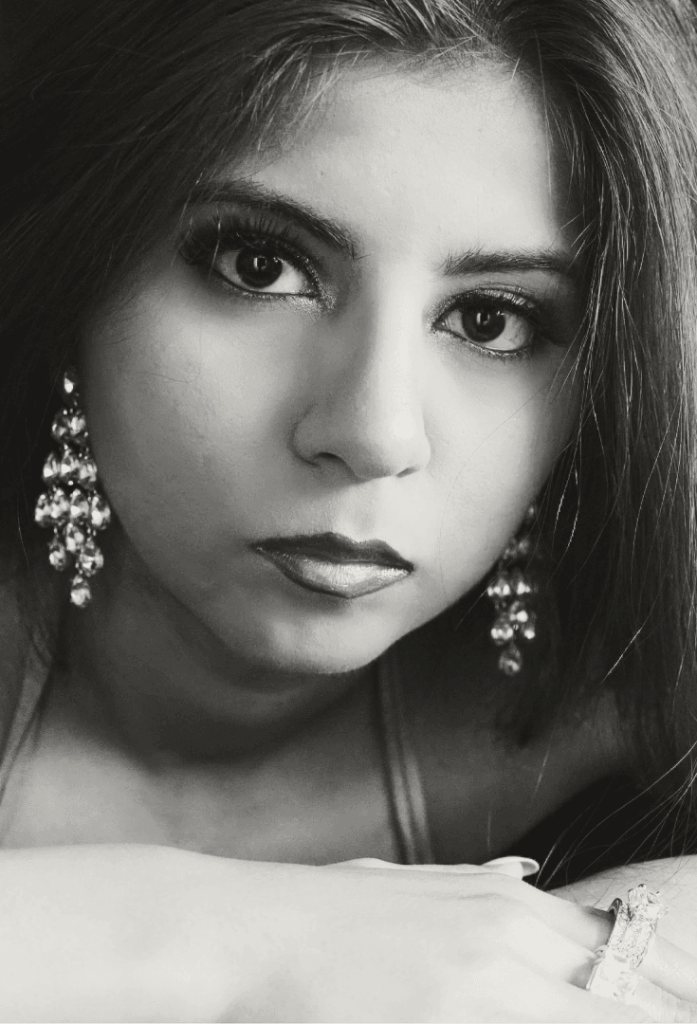
Shubhavi Arya describes herself as a filmmaker who works at the crossroads of art and science. Her academic roots lie in applied behavior analysis, educational psychology, computer science, and health informatics, yet her creative journey began long before, when she was a child making short films on her own. Today her projects have been showcased at more than 150 festivals around the world, but what drives her is not the number of screenings. It is the chance to create spaces where children of all backgrounds and abilities can experiment with animation and find their voice.
Asking Questions Before Telling Stories
Rather than beginning with a script, she begins with listening. “I usually begin with questions,” Arya explains. “With What We Imagined, those questions came from two kids in our workshop who wondered about identity, belonging, and how to imagine a world where differences connect rather than divide.”
These questions became the emotional foundation of the film. From there she applied psychology and informatics to design a workflow that broke down the process into small, achievable steps. Children were given freedom to imagine but also enough structure to see their ideas carried through. This balance between curiosity and system design has shaped the way she approaches every project.
Between Playfulness and Structure
What defines Arya’s artistic style is contrast. Lo-fi, tactile methods such as stop motion, cutout animation, and collage give her films a handmade texture. At the same time, her scientific mindset organizes scattered ideas into cohesive narratives. The tension between spontaneity and precision gives her work its distinctive voice.
Workshops with children often provide the starting point. Many of the participants live with ADHD, dyslexia, or autism. With her training in behavior analysis, Arya creates supportive frameworks that allow each child to succeed. The result is work that feels authentic, vulnerable, and deeply human.
Guiding Through Collaboration
Collaboration, for Arya, is a dialogue rather than a directive. She offers structure and vision but leaves space for the voices of her collaborators. “I think of every team member as a co-author,” she says.
In What We Imagined, this meant guiding two first-time child animators through the process of shaping their own narrative. In Aniyah, a more complex short film, she worked with a team of actors and artists across disciplines, learning when to lead firmly and when to step back.
Turning Obstacles into Methods
Challenges have been present at every stage of her career. At twelve, her challenge was simply learning how to make drawings move. At sixteen, directing Adventures of Malia meant finding ways to work through resource limitations. That film eventually reached 48 international festivals and showed her the value of persistence. In What We Imagined, the obstacle was transforming children’s unfiltered creativity into a coherent final piece. She overcame it with patience, structure, and her background in psychology. For Shubhavi, every obstacle is an opportunity to invent new methods and refine the process.
Tools That Evolve With the Story
Early projects relied on paper cutouts, makeshift stop motion rigs, and basic webcams. Over time she incorporated Adobe Creative Suite, Stop Motion Studio, and open-source platforms. For What We Imagined, she and her team used a Microsoft LifeCam and digital layering to merge handmade sketches with digital workflows. Her current interest lies in creative computing and artificial intelligence, which she treats not as replacements for imagination but as collaborators in the creative process.
Redefining What Animation Can Be
Shubhavi hopes her films broaden how people understand animation. She believes that animation does not need to be polished in order to be powerful. Raw and handmade work, especially when created by children, can hold an honesty that highly rendered CGI may lack. Her films demonstrate that animation can be more than entertainment. It can function as education, as therapy, and as a medium for voices that are often overlooked.
Looking Ahead
Future projects will continue to blend narrative filmmaking with digital health, creative computing, and behavior science. Arya envisions not just films but frameworks—environments where children and new artists can discover their storytelling voice, particularly those with learning differences.
Words for New Creators
Her advice to newcomers is simple. Do not wait for permission or the perfect tools. Her first film was made with whatever she could find, and that resourcefulness shaped her career. Solo creators should embrace imperfections as part of their style. Teams should listen deeply, since the strongest ideas often come from unexpected places. Persistence, she insists, is what makes animation possible.
Closing Thoughts
Gratitude remains central to her outlook. She thanks the festivals that embrace unconventional work and the children and collaborators who entrust her with their stories. From Adventures of Malia to What We Imagined, her journey continues to show that meaningful stories often begin not with answers but with questions.
Discover Shubhavi’s work at https://whatweimagined.mykidsstudio.com/.